
Back to Resources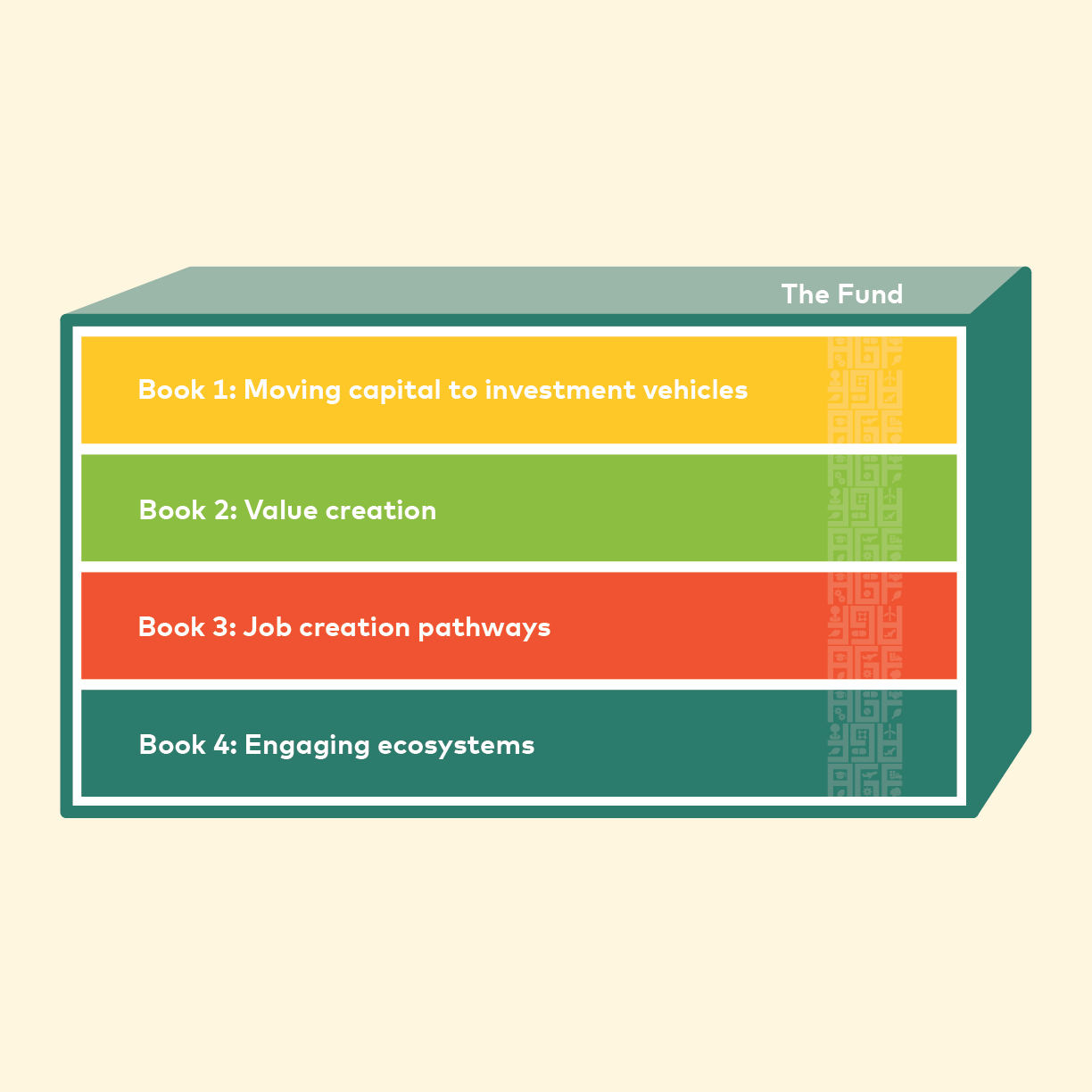
Resources
The Learning Books
No items found.
No items found.
African economies are often described as capital-scarce. The more useful diagnosis is misalignment. Capital exists, but the structures that would allow it to reach enterprises, livelihoods and local markets are often lacking or not fit for purpose. That is why, in addition to where capital lands, localization should be about who designs the instrument, who sets the terms, who decides what evidence counts, and who defines success.
The Mastercard Foundation Africa Growth Fund Learning Books make those design choices visible and offer a practical entry point into Criterion’s work shifting how capital systems are designed, governed, funded and legitimized in context. Across four books, they show how capital design, services, measurement and ecosystem engagement shape what becomes possible. Together, the books support the core argument that risk, credibility and investment readiness are shaped by systems, not simply by individual enterprises or fund managers.
These books are also part of a larger effort to identify advanced practices, translate them into standards and decision tools, and influence investors, asset owners, government funders and ecosystem actors to fund capital designed from local realities.
Book One shows how structure, governance, instruments and investment process decide who is treated as investable before any deal is screened.
Key learning: widening access takes more than backing different leaders. It requires changing the rules and signals built into investment practice.

Book Two treats services as market infrastructure. Who defines the need, who delivers the support, and how success is measured all shape whose knowledge counts.
Key learning: services work best when they build agency, strengthen strategy and invest in local expertise.

Book Three shows that employment outcomes do not automatically follow capital. Jobs emerge through a sequence of conditions, many shaped before capital reaches an enterprise.
Key learning: measurement choices determine what becomes visible. Payroll-based reporting can miss employment effects in informal economies and wider value chains.

Book Four shows that regulation, narrative, relationships, coordination and legitimacy shape what a vehicle can do long before capital is deployed.
Key learning: ecosystem work is part of investment practice, not an add-on. Standards hold only when the services, evidence and coordination around them are built to support them.

Our work depends on an ever-expanding community of team members, advisors, donors, and other partners who help us achieve our mission.
